Operating Department Smart Search


Sort :
Loading...
Go to Page :
Showing posts with label Employee News - Govt. Employee. Show all posts

23 September 2024

2.25 लाख कर्मचारियों को नहीं मिल पाएगी पूरी पेंशन, क्योंकि 33 साल सेवा की शर्त

मध्य प्रदेश में 2.25 लाख कर्मचारियों को पेंशन पर टेंशन बढ़ गया है। बता दें कि प्रदेश सरकार कि ने कर्मचारियों के सामने एक शर्त रखी है। मध्य प्रदेश में यह प्रावधान है कि 33 साल की सर्विस पूरी होने पर ही फुल पेंशन आपको दी जाएगी।

प्रदेश के 7.50 लाख कर्मचारियों में 2.25 लाख ऐसे हैं, जो 33 साल की नौकरी पूरी करने के पहले ही रिटायर हो जाएंगे। ऐसे में इनकी पेंशन पर खतरा हो सकता है। आपको बता दें कि ये शर्त अहर्तादायी सेवा (Qualifying Service) कहलाती है।

24 August 2024

Good News – NPS पर सरकारी कर्मचारियों के बहुत बड़ी जीत

केंद्र सरकार ने पेंशन को लेकर बड़ा फैसला लिया है। कैबिनेट ने सरकारी कर्मचारियों के लिए यूनिफाइड पेंशन स्कीम (UPS) को मंजूरी दे दी है। अब पुरानी और नई पेंशन की जगह यूनिफाइड पेंशन स्कीम शुरू की जाएगी। इसके मुताबिक कम से कम 25 साल की नौकरी के बाद बेसिक पेमेंट की 50 फीसदी रकम UPS के तहत रकम पेंशन के तौर पर दी जाएगी। वहीं 10 साल की नौकरी के बाद कम से कम 10 हजार रुपये पेंशन  के तौर पर मिलेंगे। कैबिनेट फैसलों की यह जानकारी रेल मंत्री अश्विनी वैष्णव ने दी।

वैष्णव ने बताया कि पेंशन की इस नई योजना से 23 लाख केंद्रीय सरकारी कर्मचारियों को फायदा होगा। यह योजना 1 अप्रैल 2025 से लागू होगी। केंद्र सरकार के कर्मचारियों को नेशनल पेंशन सिस्टम (एनपीएस) और यूपीएस में से किसी एक को चुनने का विकल्प दिया जाएगा। मौजूदा केंद्र सरकार के एनपीएस के उपभोक्ता को भी यूपीएस में स्विच करने का विकल्प दिया जाएगा।

यूनिफाइड पेंशन स्कीम  योजना की कुछ मुख्य विशेषताएं इस प्रकार हैं:

  • कम से कम 25 साल तक नौकरी करने वाले को रिटायरमेंट से पहले पिछले 12 महीनों में प्राप्त औसत मूल वेतन का 50 फीसदी पेंशन के रूप में दिया जाएगा।
  • इस पेंशन के हकदार वही होंगे जो कम से कम 10 साल नौकरी करेंगे।
  • 10 साल की नौकरी के बाद अगर कोई नौकरी छोड़ता है तो उसे कम से कम 10 हजार रुपये पेंशन के तौर पर मिलेंगे।
  • कर्मचारी की मृत्यु होने पर उसकी पेंशन की 60 फीसदी रकम परिवार को मिलेगी।
  • रिटायर होने पर ग्रेच्युटी एकमुश्त भुगतान भी किया जाएगा।
  • महंगाई इंडेक्सेशन का लाभ भी मिलेगा।
  • कर्मचारियों को अंशदान करने की जरूरत नहीं होगी। सरकार अपनी तरफ से कर्मचारी की बेसिक सैलरी का 18.5 फीसदी वहन करेगी।
  • हर छह महीने की सेवा के बदले मासिक वेतन (वेतन + डीए) का दसवां हिस्सा जुड़ कर रिटायरमेंट पर मिलेगा

अभी पेंशन के लिए कर्मचारियों को नेशनल पेंशन सिस्टम (NPS) में बेसिक सैलरी का 12 फीसदी हिस्सा कॉन्ट्रिब्यूट करना होता है। इसमें सरकार अपनी ओर से 14 फीसदी हिस्सा सरकार अपनी ओर से देती है। अब UPS में कर्मचारी को कोई भी अंशदान नहीं देना होगा। सरकार अपनी तरफ से कर्मचारी की बेसिक सैलरी का 18.5 फीसदी हिस्सा कॉन्ट्रिब्यूट करेगी।

03 January 2024

Clarification on the effect of pension cut on the amount of family pension, in case of death of retired government servants during the currency period

F.No. 19012/26/2023-Ad.IVA

Government of India Ministry of Finance Department of Revenue Central Board of Indirect Taxes and Customs

1st Floor, A wing, Hudco Vishala Building, Bhikaji Cama Place, New Delhi-66 Dated the 20th of December 2023 To

All Pr. Chief Commissioners / Pr. Directors General/ Chief Commissioners/ Directors General under CBIC

Subject: Clarification on the effect of pension cut on the amount of family pension, in case of death of retired government servant during the currency period-reg

Sir,

Kindly refer to Rule 50(2) of CCS (Pension) Rules 2021 governing the amount of family pension payable to the family of deceased government servants. In this regard, doubts have been expressed on whether the penalty of pension cut would affect the quantum of family pension in case of death of retired government servant during the currency of the penalty.

2. In this connection, the nodal department, i.e., the Department of Pensions and Pensioners’ Welfare has Clarified that the penalty of pension cut imposed on a government servant under Rule 8 of CCS (Pension) Rules, 2021 is not applicable for payment of family pension. The family pension has to be paid at a uniform rate of 30% of the last basic pay, subject to a minimum of Rs 9000/- per month. However, In Case the family pensioner is entitled to enhanced family pension, the amount of enhanced family pension will not exceed the pension authorized on retirement from government service.

3. All the offices under CBIC are hence directed to bring this to the notice of all the officers dealing with pension matters for strict compliance.

4. This issues with the approval of Competent Authority.

Yours faithfully,

(Vijay Rajmohan) Director

View/Download the PDF

27 December 2023

Relaxation in LTC Rules – delegation of powers to Ministries/Departments regarding time limit for the submission of the claim – reg.

F.No. 31011/18/2023-Estt(A-IV)

Government of India Ministry of Personnel, Public Grievances & Pensions Department of Personnel & Training Personnel Policy A-IV

North Block, New Delhi.

Dated 21st December 2023

OFFICE MEMORANDUM

Subject:- Relaxation in LTC Rules – delegation of powers to Ministries/Departments regarding time limit for the submission of the claim – reg.

The undersigned is directed to refer to the subject cited above and to state that rules 14 and 15 of CCS(LTC) Rules, 1988 provide that a claim for reimbursement of expenditure incurred on journey under Leave Travel Concession is to be submitted within three months after the completion of the return journey, if no advance had been drawn and within one month after the completion of the return journey if advance had been drawn.

2.Vide DoPT’s OM No. 31011/05/2007-Estt.(A) dated 27.09.2007 the above time-lines were relaxed and powers delegated to the Ministries / Departments to admit the claim of reimbursement in respect of LTC journey with the concurrence of the Financial Adviser without referring the matter to DoPT with the following time-lines:-

(a) Up to 6 months, if no advance is drawn; and (b) Up to 3 months if the advance is drawn, provided the Government servant refunds the entire amount of advance (not merely the unutilized portion) within 45 days of completion of the return journey.

3.Now, in supersession of DoPT’s OM No. 31011/05/2007-Estt.(A) dated 27.09.2007, it has been decided that the Ministries/ Departments with the concurrence of the Financial Advisers and subordinate/attached offices with the concurrence of Head of Department not below the rank of Joint Secretary, can admit the claim of reimbursement in respect of LTC journey without reference to DoPT with the following time-lines in such cases where a Government servant is not in position to submit the claim within the prescribed time-limit under rule 14 and 15 of CCS(LTC) Rules, 1988 and the Ministries/Departments/attached offices/subordinate offices are satisfied that he/she was not able to do so due to circumstances beyond his/her control:-

i. Cases where no advance is drawn: Up to six months; ii. Cases where advance is drawn: Up to three months provided the entire advance amount is returned within three months subject to a clause that the entire amount would be recovered within one lumpsum and interest will be charged on the entire amount of advance from the date of drawal to the date of recovery of amount.

4 . Ministries/Departments/attached offices/ subordinate offices are requested to keep these instructions in view while processing belated LTC claims.

5.These instructions are issued with the concurrence of D/o Expenditure and shall be effective from the date of issue of this O.M.

(Satish Kumar) Under Secretary to the Government of India Tel: 2304 0341

Original Order

15 August 2023

सरकारी कर्मचारियों की जान कैदी से भी सस्ती

चतुर्थ श्रेणी कर्मचारी की मौत पर सरकार देती है केवल सवा लाख......

सरकार की नजर में शासकीय कर्मचारियों की जान सबसे सस्ती है। यही कारण है कि हर महीने वेतन में से बीमा की तय राशि काटने के बावजूद उनकी आकस्मिक मृत्यु हो जाने पर सबसे कम राशि दी जाती है। प्रथम श्रेणी अधिकारी की मौत होने पर 7.50 लाख, द्वितीय श्रेणी अधिकारी की मौत पर 5 लाख तृतीय श्रेणी कर्मचारी की मौत पर 2.50 लाख और चतुर्थ श्रेणी कर्मचारी के निधन पर केवल 1.25 लाख रुपए शासन द्वारा उसके परिजनों को दिए जाते हैं। वहीं रेल यात्री की मौत हो जाए तो 8 लाख दिए जाते हैं। बस दुर्घटना, आगजनी होने पर सरकार द्वारा 10 लाख, बिजली का करंट, सांप के काटने या कहीं डूबने से मृत्यु होने पर 4 लाख सहायता राशि दी जाती है।
प्रति माह वेतन से कटते हैं इतने रुपए -मप्र में कुल नियमित कर्मचारियों की संख्या 5 लाख 87 हजार 425 -प्रथम श्रेणी अधिकारी 600 -द्वितीय श्रेणी अधिकारी 400 -तृतीय श्रेणी कर्मचारी 200

-चतुर्थ श्रेणी कर्मचारी 100

समय के साथ होना चाहिए बदलाव

कर्मचारी नेता रमेश राठौर के अनुसार शासकीय कर्मचारियों से संबंधित जो प्रावधान हैं उनमें सालों तक कोई बदलाव नहीं किया जाता है। इससे विसंगति पैदा होती है। जबकि इसमें जरूरत के अनुसार लगातार बदलाव होते रहना चाहिए। बीमा की राशि वेतन से कटने के बावजूद आकस्मिक मौत होने पर उन्हें बहुत कम राशि दी जा रही है। इससे उनके परिजनों को कोई लाभ नहीं होता, जबकि शासकीय कर्मचारी पूरी जिंदगी सेवा करता है।

हर महीने कटता है 12 करोड़ बीमा अंशदान

प्रदेश के शासकीय कर्मचारी हर महीने अपने वेतन से बीमा अंशदान 12 करोड़ 18 लाख 47,900 रुपए जमा करते हैं। उसके बाद मृत्यु होने पर जो राशि दी जाती है वह बहुत ही कम है। तृतीय वर्ग कर्मचारी संघ के प्रदेश सचिव उमाशंकर तिवारी का कहना है कि आम आदमी जो सरकारी सेवक नहीं है बीमा का नहीं देते लेकिन किसी भी घटना में उनकी मौत हो जाती है तो उन्हें लाखों रुपए का भुगतान किया जाता है। इसलिए मुख्यमंत्री से मांग की है कि शासकीय सेवक के मरने पर चतुर्थ श्रेणी कर्मचारी को 5 लाख तृतीय श्रेणी कर्मचारी को 10 लाख, द्वितीय श्रेणी अधिकारी को 15 लाख और प्रथम श्रेणी अधिकारी को 20 लाख रुपए दिए जाने चाहिए।

13 July 2023

CUSB Recruitment 2023

दक्षिण बिहार केंद्रीय विश्वविद्यालय ने 32 असिस्टेंट, MTS और अन्य पदों पर सीधी भर्ती के लिए रोजगार समाचार अलर्ट (Sarkari Job Alert) जारी किया है। इस सरकारी जॉब वैकेंसी के इच्छुक सभी उम्मीदवारों से निवेदन है की CUSB Job Vacancy 2023 के लिए Online Apply करने से पहले रोजगार संबंधी सभी आवश्यक जानकारियाँ (Official Notification) पढ़ लें उसके बाद ही आवेदन करें।

शैक्षिक योग्यता (Qualification)

10th / 12th / ITI / Master’s Degree / B.E./ B. Tech. / M.C.A./M.Sc. कृपया सटीक जानकारी के लिए इस नौकरी के लिए प्रकाशित नोटिफिकेशन (Sarkari Naukri Notification) जरूर देखें।

पदों का नाम (Name of Posts)

कुल वैकेंसी - 32 पद
असिस्टेंट रजिस्ट्रार
हिंदी ऑफिसर
प्राइवेट सेक्रेटरी
असिस्टेंट इंजीनियर
पर्सनल असिस्टेंट
सीनियर टेक्निकल असिस्टेंट (कंप्यूटर)
स्टैटिस्टिकल असिस्टेंट
सेमि प्रोफेशनल असिस्टेंट
लेबोरेटरी असिस्टेंट
लोअर डिवीज़न क्लर्क
लेबोरेटरी अटेंडेंट
लाइब्रेरी अटेंडेंट
मल्टी-टास्किंग स्टाफ (MTS)

महत्वपूर्ण  तिथियाँ (Imp. Dates)

नौकरी प्रकाशित होने की तिथि: 12-07-2023 आवेदन करने के लिए अंतिम तिथि: 11-08-2023

आयु सीमा (Age Limit & Relaxation)

उम्मीदवार की अधिकतम आयु 40 वर्ष के अंदर होनी चाहिए। कृपया CUSB Recruitment Age Limit में छूट एवं अन्य जानकारियों के लिए प्रकाशित नोटिफिकेशन देखिये।

सिलेक्शन (Selection Process)

इस सरकारी नौकरी में  Written test / interview में प्रदर्शन के अनुसार कैंडिडेट का सिलेक्शन होगा, CUSB Vacancy Selection Process की सम्पूर्ण जानकारी के लिए नीचे Official PDF Notification जरूर चेक करें।

सैलरी (Salary Details)

वेतनमान नियमानुसार रहेगा, कृपया CUSB Job Salary संबंधित अधिक जानकारी के लिए इस सरकारी जॉब का Official Notification जरूर चेक करें

आवेदन कैसे करें (How to Apply)

इच्छुक उम्मीदवार Online आवेदन कर सकते हैं इसके लिए नीचे दिए गए CUSB Job Apply Online लिंक पर क्लिक करें, कृपया इस सरकारी नौकरी के लिए आवेदन करने से पहले इस सीधी भर्ती का ऑफीशियल CUSB Notification जरूर चेक करें।

आवेदन फीस (Application Fees)

Fees: 1000/- SC, ST, PWD, Female candidates and regular staff of CUSB: Nil अधिक जानकारी के लिए ऑफिशियल Notification जरूर चेक करें।

28 June 2023

NCGG successfully trains the 24th batch of civil servants from Maldives

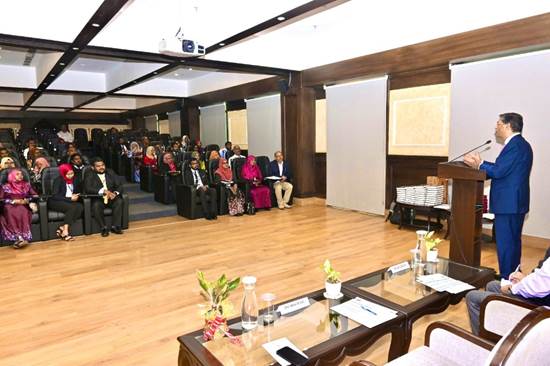
The 2-week Capacity Building Programme (CBP) for civil servants of Maldives organised in partnership with the Ministry of External Affairs (MEA) concluded on 23rd June, 2023. NCGG has signed MoU with the Government of Maldives to enhance the skills and capabilities of 1,000 civil servants in the field of public administration and governance by 2024. As part of the agreement, NCGG has already imparted training to 685 officers from Maldives. The successful conclusion of the capacity building programme for civil servants of Maldives signifies the convergence of shared values and spirit of collaboration, serving as a testament to Prime Minister shri Narendra Modi’s ‘neighbourhood first’ approach.
Image

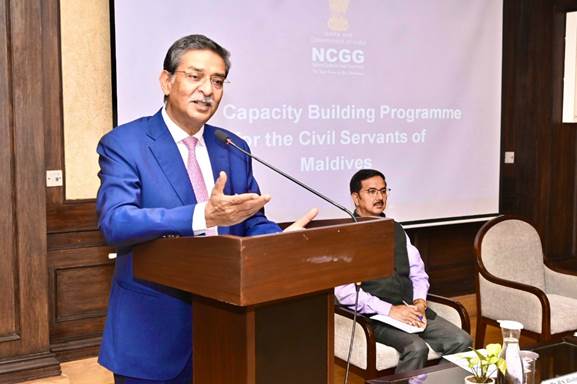
The valedictory session was presided over by shri Bharat Lal, Director General, National Centre for Good Governance. With a firm focus on improving the quality of life for citizens, shri Bharat Lal urged the officers to capitalize on their learnings and translate them into tangible actions that drive positive change and holistic development. By embracing innovative approaches and incorporating lessons gleaned from the programme, the officers can effectively contribute to elevating the well-being and welfare of the people they serve. Recognizing Prime Minister shri Narendra Modi’s unwavering commitment to ensuring necessities for all citizens, such as housing, cooking gas, education, healthcare, financial services, and skill development, among others, he highlighted the need for officers to emulate these initiatives and make significant strides in enhancing the ease of living. The DG emphasized the importance of working with speed and scale and leaving no stone unturned in their pursuit of efficiently delivering these fundamental amenities.

A well-educated and skilled workforce forms the backbone of a thriving economy, fostering innovation, productivity, and competitiveness in the global arena. Mr. Bharat Lal emphasized that civil servants hold a unique position of responsibility, as they are instrumental in designing and implementing policies that impact the education sector. He urged them to provide equitable access to education, address gaps in learning opportunities, and foster a holistic approach to skill development.

The DG stressed the importance of creating an enabling environment for women through the provision of essential facilities, such as 24-hour water and power supply, and adequate sanitation facilities. Empowering women through the provision of basic amenities not only boosts economic outcomes but also fosters gender equality. By ensuring their equal participation in economic activities, societies can unlock the full potential of their human capital and drive sustainable growth, he said.
Image

He placed significant emphasis on the need for civil servants to harness the potential of the digital revolution and embrace the latest IT innovations as a means to advance digital governance. The adoption of digital tools and platforms can enable faster decision-making, improved data management, and increased accessibility to government services, thereby enhancing the overall efficiency and effectiveness of governance. Recognizing their role as change agents and their deep understanding of local contexts, he expressed confidence in their ability to successfully implement policies and achieve favourable outcomes in their respective domains.

Giving the overview of the programme, Dr. B. S. Bisht, course coordinator said that in the 24th capacity building programme, NCGG shared various initiatives taken in the country.  such as changing paradigm of governance, centralised public grievances redressal and monitoring system, India Maldives relations, Aadhar: a tool of good governance, implementation of public policies, women inclusive governance, innovation in public administration, Digital governance and public service delivery, Smart City development, housing to all, leveraging digital technology, best practices from various development schemes, urban governance, low cost desalination for drinking water, Climate Change, tourism, Jal Jeevan Mission, e-governance and digital India UMANG, leadership, coordination and communication, Mudra Yojana, poverty elimination initiatives, health care governance, sanitation and public health behaviour, circular economy, skill India, anti-corruption strategies, India’s policy towards Indian Ocean region among others.

The participants had the opportunity to engage in visits that were carefully curated to provide them with a comprehensive understanding of a diverse range of developmental projects and institutions. Among the notable visits, the participants had the opportunity to explore the Smart City in Dehradun, Central Information Commission, Pradhanmantri Sanghralaya which enriched their knowledge of the practical aspects of governance.
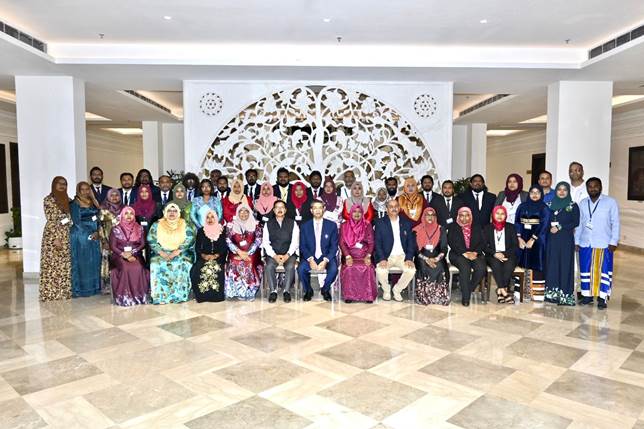
 

The 24th CBP was supervised by Dr. B. S. Bisht, course coordinator for Maldives, Dr. Sanjeev Sharma, co-course coordinator and the entire CBP team of NCGG. Their contributions to curriculum development, session coordination, and knowledge dissemination were instrumental in creating a comprehensive and impactful learning experience for the participants.

20 April 2023

सिविल सेवक, केंद्र के शासन और राज्यों की प्रशासनिक व्यवस्था में महत्वपूर्ण भूमिका निभाते हैं - उपराष्ट्रपति

उपराष्ट्रपति ने कहा है कि सिविल सेवक, केंद्र के शासन और राज्यों की प्रशासनिक व्यवस्था में एकरूपता के माध्यम से सहकारी संघवाद को सुविधाजनक बनाने में महत्वपूर्ण भूमिका निभाते हैं

उपराष्ट्रपति श्री जगदीप धनखड़ ने लोक सेवाओं में समाज के सभी वर्गों के बढ़ते प्रतिनिधित्व की सराहना की

लोक प्रशासन ढांचे में महिलाओं की बढ़ती संख्या, अधिक संवेदनशील और पूर्ण विकसित प्रशासनिक सेवा का मार्ग प्रशस्त करेगी: उपराष्ट्रपति

अभिव्यक्ति की स्वतंत्रता का हमारे जैसा स्तर किसी के भी पास में नहीं है और लोगों की आवाज को दबाने का कोई ठोस प्रमाण नहीं है - उपराष्ट्रपति

उपराष्ट्रपति ने 16वें लोक सेवा दिवस समारोह का उद्घाटन किया।

उपराष्ट्रपति श्री जगदीप धनखड़ ने सिविल सेवकों से केंद्र के शासन और राज्यों की प्रशासनिक व्यवस्था में एकरूपता लाने का आह्वान किया है, ताकि परिकल्पित संघवाद, सहकारी संघवाद का रूप ले सके। लोक सेवाओं को शासन के मेरुदण्ड के रूप में संदर्भित करते हुए उन्होंने कहा कि राष्ट्र के संपूर्ण विकास को सुनिश्चित करने में सिविल सेवकों की भूमिका 'परिवर्तन के सबसे प्रत्यक्ष एवं प्रभावी प्रतिनिधियों' के रूप में होती है। उपराष्ट्रपति आज नई दिल्ली में विज्ञान भवन में आयोजित 16वें सिविल सेवा दिवस समारोह का उद्घाटन करने के बाद लोक सेवकों की एक सभा को संबोधित कर रहे थे।

उपराष्ट्रपति श्री धनखड़ ने कहा है कि इस वर्ष के सिविल सेवा दिवस की विषयवस्तु 'विकसित भारत: नागरिकों को सशक्त बनाना और अंतिम छोर तक पहुंचना' है। उन्होंने कहा कि यह भारतीय संविधान की प्रस्तावना का वास्तविक प्रतिबिंब है, जो अपने सभी नागरिकों के लिए न्याय, स्वतंत्रता, समानता एवं बंधुत्व भाव को सुरक्षित करने का प्रयास करता है। आकांक्षी जिलों, स्मार्ट शहरों, जल जीवन मिशन, लेनदेन के डिजिटलीकरण और प्रधानमंत्री जन आरोग्य योजना जैसे प्रमुख सरकारी कार्यक्रमों का विशेष रूप से उल्लेख करते हुए उन्होंने कहा कि ये पहल 'नागरिक सशक्तिकरण की प्रधानता के साथ आगे बढ़ते हुए एक विकसित भारत' की दिशा में हमारी उन्नति का प्रतिनिधित्व करती हैं।

उपराष्ट्रपति श्री धनखड़ ने सिविल सेवा क्षमता निर्माण के लिए सितंबर 2020 में शुरू किए गए एक राष्ट्रीय कार्यक्रम मिशन कर्मयोगी की भी प्रशंसा की, जो नए भारत की दृष्टि के अनुरूप सही दृष्टिकोण, कौशल तथा ज्ञान के साथ भविष्य के लिए तैयार सिविल सेवा को और बेहतर आकार देने वाला परिवर्तनकारी बदलाव साबित हो रहा है। उन्होंने कहा कि अमृत काल में सिविल सेवक वर्ष 2047 के योद्धा हैं, जो अब नींव रख रहे हैं नये भारत की और उस भारत को आकार दे रहे हैं, जो भारत अपनी स्वाधीनता की स्वर्ण शताब्दी मनाएगा।

उपराष्ट्रपति ने समाज के सभी वर्गों, विशेष रूप से दूरदराज के गांवों से निकली युवा प्रतिभाओं, छोटी पारिवारिक पृष्ठभूमि के साथ-साथ हाशिए पर रहने वाले समुदायों से बड़ी संख्या में सिविल सेवाओं में शामिल होने के बढ़ते प्रतिनिधित्व के लिए उनकी प्रशंसा की। उन्होंने लोक प्रशासन में महिलाओं की बढ़ती संख्या पर विशेष रूप से कहा कि लोक प्रशासनिक ढांचे में महिलाओं की बढ़ती संख्या अधिक संवेदनशील और पूर्ण विकसित नौकरशाही का मार्ग प्रशस्त करेगी।

श्री धनखड़ ने कहा कि भारत इतनी तेजी से आगे बढ़ रहा है, जितना पहले कभी नहीं देखा गया था। उन्होंने कहा कि निःसन्देह विकास की यह गति अजेय है। उपराष्ट्रपति ने कहा कि सरकार की सकारात्मक और अभिनव पहल तथा लाभदायक नीतियों के प्रभावी कार्यान्वयन के कारण ही भारत आज अवसरों एवं निवेश का पसंदीदा वैश्विक गंतव्य स्थल बन चुका है। उन्होंने कहा कि भारत सितंबर, 2022 में हमारे पूर्व औपनिवेशिक शासकों को पीछे छोड़ते हुए दुनिया की 5वीं सबसे बड़ी अर्थव्यवस्था बन गया था और सभी मान्यता प्राप्त संकेतों से यह भी पता चलता है कि भारत इस दशक के अंत तक तीसरी सबसे बड़ी वैश्विक अर्थव्यवस्था बन जाएगा।

भारत को सबसे बड़ा लोकतंत्र और इसे लोकतंत्र की जननी बताते हुए उपराष्ट्रपति ने कहा कि हमारे देश का लोकतंत्र सभी स्तरों पर चाहे गांव हो, नगर पालिका हो या फिर राज्यों और केंद्र की बात हो तो यह सबसे कार्यात्मक तथा जीवंत है। उन्होंने जोर देकर कहा कि अभिव्यक्ति की स्वतंत्रता का हमारे जैसा स्तर किसी के भी पास में नहीं है और लोगों की आवाज को दबाने का कोई ठोस प्रमाण नहीं मिलता है।

उपराष्ट्रपति ने कहा कि हमारे अभूतपूर्व विकास और फलते-फूलते लोकतांत्रिक मूल्यों के प्रति अनदेखी करने का रुख अपनाने से कुछ लोगों को पीड़ा होना कष्टदायक होता है। श्री धनखड़ ने उन लोगों के प्रति निराशा व्यक्त की जो भारतीय लोकतंत्र और संवैधानिक संस्थानों को नीचा दिखाने, निंदा करने, कलंकित करने तथा गलत साबित करने के दुस्साहस में शामिल हैं। उन्होंने कहा, यह हैरान करने वाला होता है कि जब आर्थिक विकास, नीति-निर्माण और कार्यान्वयन की बात आती है तो हममें से कुछ क्यों आनंदपूर्वक स्वघोषित लक्ष्यों का सहारा लेने लगते हैं? उपराष्ट्रपति ने इस अस्वास्थ्यकर आदत को समाप्त करने की आवश्यकता प्रकट की।

श्री धनखड़ ने लोक प्रशासन में उत्कृष्टता के लिए पीएम पुरस्कारों के विजेताओं को बधाई दी। उन्होंने कहा कि ये पुरस्कार सिविल सेवकों की कड़ी मेहनत और समर्पण के लिए एक उपयुक्त भेंट है। वे रचनात्मक प्रतिस्पर्धा, नवाचार, प्रतिकृति और सर्वोत्तम कार्य प्रणालियों के संस्थानीकरण को प्रोत्साहित करते हैं। उन्होंने कहा कि पुरस्कार लोक प्रशासन में उत्कृष्टता के लक्ष्य के साथ प्रयास करने के उद्देश्य से सिविल सेवकों के लिए एक प्रेरक के तौर पर कार्य करते हैं।

उपराष्ट्रपति श्री धनखड़ ने देश में सभी स्तरों पर सिविल सेवकों द्वारा कोविड-19 महामारी का मुकाबला करने में उनके अथक प्रयासों के माध्यम से एक नया वैश्विक मानदंड स्थापित करने में निभाई गई प्रशंसनीय भूमिका का विशेष तौर पर उल्लेख किया। उन्होंने त्वरित सेवा वितरण और नागरिक-केंद्रित शासन के लिए सिविल सेवकों के नेतृत्व के साथ-साथ प्रौद्योगिकी के महत्व को भी उजागर किया। उपराष्ट्रपति ने कहा कि एक नये मानदंड अर्थात संयुक्त विकास ने सभी स्तरों पर प्रशासनिक व्यवस्था में नई क्रांति ला दी है।

श्री धनखड़ ने सबसे बड़े लोकतंत्र के रूप में भारत के बढ़ते महत्व को रेखांकित किया, जिसमें 'अभिव्यक्ति की स्वतंत्रता का स्तर किसी से कम नहीं' आंका जा सकता है। उन्होंने कहा कि भारत की संसद लोगों की आवाज का प्रतीक है और यही कारण है कि आंतरिक एवं बाहरी दोनों तरह के खतरों से देश की संप्रभुता व सांस्कृतिक अखंडता की रक्षा करना संसद का कर्तव्य है।

उपराष्ट्रपति ने कार्यक्रम के दौरान 'राष्ट्रीय सुशासन वेबिनार श्रृंखला' पर एक ई-पुस्तक का अनावरण किया। उन्होंने 'भारत में सुशासन पद्धतियां- पुरस्कृत पहल'' विषय पर आयोजित एक प्रदर्शनी का भी उद्घाटन किया। कार्मिक, लोक शिकायत और पेंशन राज्य मंत्री श्री जितेंद्र सिंह, कैबिनेट सचिव श्री राजीव गौबा, उपराष्ट्रपति के सचिव श्री सुनील कुमार गुप्ता, प्रशासनिक सुधार एवं लोक शिकायत विभाग के सचिव श्री वी. श्रीनिवास और भारत सरकार के अन्य विभागों में कार्यरत वरिष्ठ अधिकारी भी इस अवसर पर बड़ी संख्या में उपस्थित थे।

उपराष्ट्रपति के संपूर्ण भाषण का मूल पाठ इस प्रकार है -

https://pib.gov.in/PressReleseDetail.aspx?PRID=1918242


EMPLOYEE WORLD

04 August 2022

Suresh N Patel as new Central Vigilance Commissioner

Vigilance Commissioner Suresh N Patel was appointed as the Central Vigilance Commissioner, a year after the post fell vacant.

Patel, who has been working as the acting Central Vigilance Commissioner (CVC) since June this year, was sworn in as the chief of the probity watchdog Central Vigilance Commission by President Droupadi Murmu at Rashtrapati Bhavan here.

18 August 2021

शिक्षा विभाग से आदिम जाति में आए टीचर्स सांसद से मिले, समस्याएं बताईं

ट्राईबल वेलफेयर टीचर्स एसोसिएशन के प्रांत प्रमुख डीके सिंगौर के नेतृत्व में प्रतिनियुक्ति पर आए जिले के लगभग 80 शिक्षक-शिक्षिकाओं ने राज्यसभा सांसद संपतिया उइके से उनके निवास पर मुलाकात कर उन्हें अपनी समस्याओं से अवगत कराया।

11 May 2021

Payment Of Hospital Patient Care Allowance (HPCA) To The Railway Employees As Per 7th CPC


Payment of Hospital Patient Care Allowance (HPCA)/Patient Care Allowance (PCA) to the Railway Employees working in Railway Hospitals and Health Units/clinics as per 7th CPC

GOVERNMENT OF INDIA

MINISTRY OF RAILWAYS

(RAILWAY BOARD)

No.E(P&A)II/2018/FE-2/5

New Delhi, dated 05-04-2021

07 July 2017

KNOW ABOUT - Government servant under NPS to have more investment options

The National Pension System is set to provide a whole new range of choices to its subscribers including option to invest in instruments such as private equity and venture capital funds, real estate investment trusts as well as a higher exposure of up to 75 per cent to equities.


The pension regulator — Pension Fund Regulatory and Development Authority is examining the recommendations of the expert panel led by former Sebi chief GN Bajpai that had recommended greater flexibility to NPS subscribers for their investments.

“We might allocate a small portion (for investment) in alternate instruments like private equity, venture capital funds as well as new instruments such as real estate investment trusts, infrastructure investment trusts and infrastructure development bonds,” said Hemant Contractor, chairman PFRDA.
The Pension Advisory Committee of the PFRDA is understood to have met last month and discussed the recommendations of the committee. An announcement on at least some of the proposals is likely by July.

Speaking to The Indian Express, he further said that the PFRDA is also considering the committee’s suggestion for increasing the equity exposure for both government as well as private sector subscribers of the NPS.

“Currently, there is a cap of 50 per cent for the private sector and 15 per cent for the government. One thing we are looking at is harmonisation of the government pattern and the private sector pattern. We have taken it up with the government, which is now looking at the proposal. So we will have the same kind of pattern for both the government and the private sector NPS,” he said.

Additionally, the PFRDA is also in talks with the government to allow government servants to decide on their investment portfolio on the lines of that provided to private sector members of the NPS.
At present, there is only one default scheme for government employees who are part of the NPS, that provides for investment of up to 55 per cent of the corpus in government securities, up to 40 per cent in debt securities, up to 15 per cent in equities and a maximum of 5 per cent in money market instruments.

, the PFRDA is also considering providing two more default options under the NPS for private citizens. One option would permit allocation of up to 75 per cent of the corpus in equities, whereas the exposure to bonds would be higher in the other.

The expert group was set up in September 2014 to review the investment options for the private sector NPS and it submitted its report to the PFRDA in April year.

Apart from recommendations on addition of new investments, Contractor said that the PFRDA is also reviewing the committee’s suggestions on the asset liability management structure, the method of evaluation of pension fund managers and valuation method for pension funds.

The NPS has cumulative assets under management worth Rs 83,917.12 crore and 91,21,588 subscribers as on April 30, 2015.

05 July 2016

Know Easy steps to Calculate your 7th Pay Commission New Pay Scale

Know Easy steps to Calculate your 7th Pay Commission New Pay Scale

7th Pay commission simplified the calculation for arriving revised Pay through new 7th CPC Pay Metrix

We here illustrate the method through easy 6 Steps to calculate our 7th CPC New Pay and Allowances to know your self

Lat us Assume you are drawing Grade Pay Rs.4200 and Pay in the Band Pay Rs.12110

To calculate your Basic Pay and Allowance follow the steps given below.

Step-I
Calculate your sixth CPC basic Pay 
                  ( Grade Pay + Band Pay)   = 4200+12110= 16310

Step-II   
Multiply the above figure with 7th CPC Fitment Formula 2.57
16310 x 2.57 = 41916.70 . ( Paisa to be rounded off to the nearest Rupee)
                           The Ans is = Rs.41917

Step-III
Match this Answer with Matrix Table ( Given Below) Figures assigned in Grade Pay column Rs.4200


There is no matching figure we arrived above in this matrix, so the closest higher figure assigned in the Grade Pay column can be chosen ie is Rs. 42300

So , Rs 42300 is your New 7th CPC Basic Pay

Step-IV
Identify your HRA [ See : 7th Pay commission recommendation on HRA]

HRA has been revised as 24%, 16% and 8% for 30% , 20% and 10% respectively

So if you are in 30% HRA Bracket, your HRA in 7th CPC is 24% vis versa.

Let us assume now you are in 30% HRA bracket, your revised HRA is 24%

Find the 24% of the Basic Pay  =   42300 x 24/100 = 10152

 Your HRA is Rs.10152

Step-V
Identify your TPTA (Transport Allowance)

7th CPC Recommends Transport Allowance for three Category of Employees for Two Types of Places

If you are living in A1 and A classified cities (See the List of 19 cities classified as A1 and A cities) you will be entitled to get higher TPTA rates
And since your Grade Pay is 4200 you fall in Second category

ie Grade Pay 2000 to 4800 – Rs 3600+DA

Your TPTA is Rs. 3600/- (DA is Nil as on 1.1.2016)

Step-VI
(Sine DA will be Zero from 1.1.2016 So no need to calculate the DA to calculate 7th Pay and Allowances from 1.1.2016)

Add all the figures 

New Basic Pay + HRA+TPTA = 42300+10152+3600 = 56052

Your revised 7th CPC Grass pay as on 1.1.2016  =  Rs.56052

Source: http://www.gservants.com/

03 May 2016

IMPORTANT QUESTION & ANSWER - Financial impact due to 7th Pay Commission: Details of Rajya Sabha QUESTION & ANSWER


GOVERNMENT OF INDIA
MINISTRY OF  FINANCE
QUESTION NO  241
ANSWERED ON  26.04.2016
Requirement of growth in economy for sustaining the burden of wage increase
7thcpc+financial+impact

241 Shri A. K. Selvaraj
Will the Minister of FINANCE be pleased to satate :-
(a) whether it is a fact that India needs to grow by an additional 1-1.5 percentage points so that it can sustain the burden of wage increases and pass on more benefits to workers;

(b) if so, the details thereof;

(c) whether it is also a fact that there would be a burden of Rs. 1.02 lakh crore on account of implementation of the Seventh Pay Commission; and

(d) if so, the details thereof?
MINISTER OF STATE IN THE MINISTRY OF FINANCE (SHRI JAYANT SINHA)

(a) and (b): The Gross Value Added (GVA) at basic prices is the sum of compensation of employees including social contributions made by the employer (CE), operating Surplus and mixed income of the self-employed (OS/MI), consumption of fixed capital (CFC) and taxes net of subsidies on production. The share of compensation of employees stood at 33.6 per cent in the year 2014-15 (the latest year for which information is available), increasing from 32.9 per cent in 2012-13. Simultaneously, the growth rate of GVA at constant basic prices increased from 5.4 per cent in 2012-13 to 7.1 per cent in 2014-15. 

Among the broad sectors, public administration & defence had the highest share of compensation of employees, i.e., 85.0 per cent of the GVA at basic prices, in 2014-15. Higher wages/compensation of employees may have an impact on private final consumption and hence on GDP growth. At the same time, higher wages in public administration & defence may place added demand on the budgetary resources of the Government. On account of this possible two-way relationship, it is difficult to exactly calculate the GDP growth required to sustain the higher wage bill. 

(c) and (d): The Seventh Pay Commission, in its Report, has projected an additional financial implication on implementation of its recommendations, of Rs. 1,02,100 crore, which is about 0.7 per cent of the GDP at current market prices of Rs. 1,50,65,010 crore projected in the Budget 2016-17. The details are given below:

2016-17
2016-17
(With 7th Central Pay Commission)
Financial impact
(Figures in rupees crore)
Pay
244300.0
283400.0
39100.0
Allowances
HRA
12400.0
29600.0
17200.0
Transport Allowance
9900.0
9900.0
0.0
Other Allowance
24300.0
36400.0
12100.0
Pension
142600.0
176300.0
33700.0
Total
433500.0
535600.0
102100.0

*****

(क) क्या यह सच है कि भारत को अतिरिक्त 1-1.5 प्रतिशत अंकों की बढ़ोतरी की आवश्यकता है ताकि यह वेतन वृद्धि के बोझ को उठा सके तथा कार्मिकों को और लाभ प्रदान कर सके;
(ख) यदि हां, तो तत्संबंधी ब्यौरा क्या है;
(ग) क्या यह भी सच है कि सातवें वेतन आयोग के क्रियान्वयन के कारण 1.02 लाख करोड़ रुपए का बोझ पड़ेगा; और
(घ) यदि हां, तो तत्संबंधी ब्यौरा क्या है?
उत्तर
वित्त मंत्रालय में राज्य मंत्री (श्री जयंत सिन्हाक)

(क) और (ख): आधार मूल्यों  पर सकल मूल्य)वर्द्धन कर्मचारियों की मुआवजा राशि है। इसमें कर्मचारियों द्वारा किए गए सामाजिक अंशदान (सीई), स्वय रोजगार प्राप्ति (ओएस/एमआई) की अतिरिक्तय और मिश्रित आय को संचालित करना, नियत पूंजी की खपत (सीएफसी) और उत्पाकदन पर सब्सिरडी को घटाना शामिल है। कर्मचारियों की क्षतिपूर्ति का हिस्सार 2014-15 में 33.6 प्रतिशत हो गया (तात्काालिक वर्ष जिसकी सूचना उपलब्धो है), जबकि 2012-13 में यह 32.9 प्रतिशत था। इसी प्रकार स्थि्र आधार मूल्यों  पर जीवीए की वृद्धि दर 2012-13 के 5.4 प्रतिशत से बढ़कर 2014-15 में 7.1 प्रतिशत हो गई।   

2014-15 में बड़े सेक्टिरों में लोक प्रशासन और रक्षा क्षेत्रों के कर्मचारियों की क्षतिपूर्ति का हिस्सा4 अधिकतम रहा, जो आधार मूल्योंं पर जीवीए का 85.0 प्रतिशत था। कर्मचारियों के अधिकतम वेतन/क्षतिपूर्ति निजी अंतिम उपभोग पर प्रभाव डाल सकते हैं और साथ ही जीडीपी वृद्धि दर पर भी। साथ ही लोक प्रशासन और रक्षा अधिकतम वेतन हेतु सरकार के बजटीय संसाधनों से अतिरिक्त। निधि की मांग कर सकते हैं। इस संभावित दोहरे संबंध के कारण, अधिकतम भत्तेअ बिलों को पूरा करने की आवश्यंकता के लिए जीडीपी वृद्धि दर की सही गणना करना कठिन है। 

(ग) और (घ): सातवें वेतन आयोग ने, अपनी रिपोर्ट में सिफारिशों के कार्यान्वकयन के लिए 1,02,100 करोड़ रुपये की अतिरिक्तग वित्तीअय व्यंवस्थाक का अनुमान लगाया है, जो बजट 2016-17 में अनुमानित 1,50,65,010 करोड़ रुपये के वर्तमान बजट मूल्यम पर जीडीपी का 0.7 प्रतिशत है। विवरण नीचे सारणी में दिया गया है। 

2016-17
(सातवें वेतन आयोग रहित)
2016-17
(सातवें वेतन आयोग सहित)
वित्‍तीय विवीक्षा
( आंकड़े करोड़ रुपये में)
वेतन244300.0283400.039100.0
भत्‍ता
मकान किराया भत्‍ता12400.029600.017200.0
परिवहन भत्‍ता9900.09900.00.0
अन्‍य भत्‍ते24300.036400.012100.0
पेंशन142600.0176300.033700.0
कुल433500.0535600.0102100.0

Source: Rajya Sabha.nic.in

& staffnews.

IMPORTANT QUESTION & ANSWER - Financial impact due to 7th Pay Commission: Details of Rajya Sabha QUESTION & ANSWER


GOVERNMENT OF INDIA
MINISTRY OF  FINANCE
QUESTION NO  241
ANSWERED ON  26.04.2016
Requirement of growth in economy for sustaining the burden of wage increase
7thcpc+financial+impact

241 Shri A. K. Selvaraj
Will the Minister of FINANCE be pleased to satate :-
(a) whether it is a fact that India needs to grow by an additional 1-1.5 percentage points so that it can sustain the burden of wage increases and pass on more benefits to workers;

02 April 2016

Travel on LTC between nearest Railway station/Airport/Bus terminal and Declared place of visit: DoPT seeks comments on Procedure

No. 3101 l/3/2015-Estt (A.IV)
Government of India
Ministry of Personnel. Public Grievances and Pensions
Department of Personnel and Training
Establishment A-IV Desk
North Block, New Delhi-110 001
Dated: March 23 , 2016
OFFICE MEMORANDUM
Subject:- Central Civil Services (Leave Travel Concession) Rules, 1988 — Fulfillment of procedural requirements-reg.
The undersigned is directed to enclose a copy of draft O.M. on the subject noted above for comments within 15 days to the undersigned (email address: jha.sn@nic.in).


(Surya Narayan Jha)
Under Secretary to the Government of India

Central Civil Services (Leave Travel Concession) Rules, 1988 — Fulfillment of procedural requirements : Draft memorandum as follows…

No.31011/3/2015-Estt.(A.IV)
Government of India
Ministry of Personnel, Public Grievances and Pensions
Department of Personnel and Training
Establishment A-IV Desk

North Block, New Delhi-110001
Dated ____March , 2016

OFFICE MEMORANDUM

Subject:- Central Civil Services (Leave Travel Concession) Rules, 1988 — Fulfillment procedural requirements.
The undersigned is directed to refer to para 8 and 9 of the Guidelines enclosed in this Department’s O.M. of even number dated 18.2.2016 on the above noted subject and to say that the issues have been revisited in consultation with the Department of Expenditure. It has been decided that the cases
where a Government servant travels on LTC upto the nearest airport/railway station/ bus terminal by authorised mode of transport and undertakes rest of the journey to the declared place of visit by private transport/own arrangement, may be dealt with as follows:-

(i) When public transport is available between the nearest airport/railway station/ bus terminal and the declared place of visit:-

The Government servant may also be reimbursed the fare incurred for completion of journey to the declared place of visit by own arrangement. This will be restricted to the fare admissible for journey by otherwise entitled mode of public transport from the nearest airport/railway station/ bus terminal to the declared place of visit. The Government servant shall be required to submit an undertaking that he has actually visited the declared place of visit.

(ii) Where no public transport is available between the nearest airport/railway station/bus terminal and the declared place of visit:-

(a) In case he does not wish to claim reimbursement for the part of the journey which he has undertaken by his own arrangement, he may be reimbursed for the part of the journey which he has undertaken by public transport. The Government servant shall be required to submit an undertaking that he has actually visited the declared place of visit.

(b) Where the Government servant claims assistance for the entire journey, the part of the journey where he has used his own arrangement would also be reimbursed as per his entitlement for journey on transfer. The Government servant shall be required to submit an undertaking that he has actually visited the declared place of visit.

2. In case of (b) above, the Government servant shall be required to submit a certificate that the mode of transport used by him operates from point to point on regular basis with the approval of the State Government/Transport authorities, and is authorised to ply as public carrier.

3. Above certificate need not be insisted upon in case information to the effect that (i) no public transport is available in a particular area, (ii) list of transport operators who operate on regular basis from point to point on regular basis with the specific approval of the State Government/Transport authorities, is available on the website of a State/Central Government or a State or Central PSU or in a current publication brought out by these authorities.

(Surya Narayan Jha)
Under Secretary to the Government of India

Source: www.persmin.gov.in
[http://ccis.nic.in/WriteReadData/CircularPortal/D2/D02est/31011_3_2015-Estt.A-IV-29032016.pdf]

& staffnews

Travel on LTC between nearest Railway station/Airport/Bus terminal and Declared place of visit: DoPT seeks comments on Procedure

No. 3101 l/3/2015-Estt (A.IV)
Government of India
Ministry of Personnel. Public Grievances and Pensions
Department of Personnel and Training
Establishment A-IV Desk
North Block, New Delhi-110 001
Dated: March 23 , 2016
OFFICE MEMORANDUM
Subject:- Central Civil Services (Leave Travel Concession) Rules, 1988 — Fulfillment of procedural requirements-reg.
The undersigned is directed to enclose a copy of draft O.M. on the subject noted above for comments within 15 days to the undersigned (email address: jha.sn@nic.in).


(Surya Narayan Jha)
Under Secretary to the Government of India

Central Civil Services (Leave Travel Concession) Rules, 1988 — Fulfillment of procedural requirements : Draft memorandum as follows…

No.31011/3/2015-Estt.(A.IV)
Government of India
Ministry of Personnel, Public Grievances and Pensions
Department of Personnel and Training
Establishment A-IV Desk

North Block, New Delhi-110001
Dated ____March , 2016

OFFICE MEMORANDUM

Subject:- Central Civil Services (Leave Travel Concession) Rules, 1988 — Fulfillment procedural requirements.
The undersigned is directed to refer to para 8 and 9 of the Guidelines enclosed in this Department’s O.M. of even number dated 18.2.2016 on the above noted subject and to say that the issues have been revisited in consultation with the Department of Expenditure. It has been decided that the cases

12 January 2016

CCS (Leave Travel concession) Rules, 1988 – Fulfillment of Procedural requirements

No.31011/3/2015-Estt (A.IV)
Government of India
Ministry of Personnel, Public Grievances and Pensions
Department of Personnel and Training
Establishment A-IV Desk

North Block, New Delhi-110 001
Dated: January 11, 2016

OFFICE MEMORANDUM

Subject:- Central Civil Services (Leave Travel concession) Rules, 1988 – Fulfillment of Procedural requirements.

This Department is in receipt of a number of references regarding the procedural difficulties faced by the Government employees in application and settlement of the LTC claims. Sometimes, the Government servants claim that failure to follow the correct procedure was on account of a lack of knowledge of the rules/instructions while in the other cases the delay is caused in the late processing of LTC claims.

2. To remove these bottlenecks, this Department has decided to simplify the procedure of application and make the procedure of processing of LTC claims time bound. The following time-limits shall be followed while processing the LTC applications/claims of the Government servants.

 S.No / Course of action / Time limit
1. Leave Sanction - 5 days + 2 days*

2. Sanction of LTC advance - 5 days + 2 days*

3. Time taken by Administration for verification of LTC claim after the LTC bill is submitted by the Government employee for settlement. - 10 days + 2 days*

4. Time taken by DDO - 5 days + 2 days*

5. Time taken by PAO - 5 days + 2 days*

It may be noted that in cases where the place of posting of the Government employees is away from their Headquarters, additional 2 days transit-time may be allowed. The person proceeds on LTC after S.No.1 and 2 i.e. after ten days of applying LTC.

3. Under CCS (LTC) Ruler, the Government servants are required to inform their Controlling Officer before the journey(s) on LTC to be undertaken. It has now been decided that the Leave Sanctioning Authority shall obtain a self-certification from the employee regarding the proposed LTC journey. The proforma for self-certification has been annexed with this O.M.

4. In addition to the above, it has been decided that whenever a Government servant applies for LTC, he/she may be provided with a copy of the guidelines (enclosed) which needs to be followed while availing LTC.

5. Employees may be encouraged to share interesting insights and pictures, if any, of the destination he/she visited while availing LTC on an appropriate forum.

6. Comments of the above proposal may be furnished within 15 days via e-mail to email address jha.sn@nic.in.

Enclosures:


(Surya Narayan Jha)
Under Secretary to the Government of India

Authority: www.persmin.gov.in

SOURCE - http://7thpaycommissionnews. in

11 January 2016

Retired officers as the Inquiry Officers: Procedure of Empanelment, Rates of Honorarium & Other Allownaces - DoPT Order


F.No.142/40/2015-A VD.I
Government of India
Ministry of Personnel, Public Grievances and Pensions
Department of Personnel and Training

New Delhi Dated, the 7th January, 2016

OFFICE MEMORANDUM

Subject: – Procedure for empanelment of retired officers as the Inquiry Officers for conducting Departmental Inquiries– reg.

The undersigned is directed to state that the issue of utilizing the services of retired officers for conducting departmental inquiries had been under consideration of the Department. It has now been decided that panels of retired officers from the Ministries/Departments under Government of India and PSUs would be created and maintained by the respective Cadre Controlling Authorities for conducting Departmental Inquiries against the delinquent officials.

2. Procedure for empanelment of retired officers as the Inquiry Officers – Panels of retired officers not below the rank of Deputy Secretary in Central Government and equivalent officer in the State Governments/PSUs to be appointed as the Inquiry Officer for the purpose of conducting departmental inquiries would be maintained level/rank wise and place-specific by each cadre controlling authority where its offices are located.

3. Validity of the panel – The panel of the retired officers created for the purpose of appointing Inquiry Officers for conducting departmental inquiry will be valid for a period of three years. The respective Cadre Controlling Authority will ensure that a panel of retired Inquiry Officers is available with them.

4. Following are the eligibility conditions for appointment of willing retired officers as the Inquiry Officers to conduct departmental inquiries:-

(i) The retired officers willing to serve as the Inquiry Officer should not be more than 65 years of age as on the 1st April of the year of his/her empanelment.

(ii) He/she should be in sound health – both physically and mentally.

(iii) He/she should not be an accused officer in any pending inquiry and should be of impeccable integrity.

5. The respective Cadre Controlling Authority will immediately take necessary action for inviting applications from willing and eligible retired officers to serve as the Inquiry Officer for conducting departmental inquiry. In this regard, a format for inviting applications is annexed.

6. A three-member committee consisting of Joint Secretary level officers including CVO of the concerned Ministry/Departments/PSUs would be constituted by the respective cadre controlling authority. The other two members can be from the same Ministry/Department or from the attached or subordinate office. After receipt of willingness of the retired officers, names of the officers will be screened by the committee so constituted and panel of officers (Database) will be created rank-wise viz., Deputy Secretary, Director, Joint Secretary, Additional Secretary, Secretary, etc. Approval of Minister-in-charge may be solicited for making the panel of the officers. Appointment of Inquiry Officer, from the panel of eligible retired officers, will be done by a random draw of lot. The Committee constituted for making panels of retired officers as the Inquiry Officer has to keep in mind that applications of retired officers willing to serve as an Inquiry Officer should be scrutinized carefully to ensure that the applicant meets the eligibility criteria.

7. The number of disciplinary cases assigned to an Inquiry Officer may be restricted to 20 cases in a year, with not more than 4 cases at a time.

8. Terms and conditions for appointment of retired officers as the Inquiry Officer.

The designated Inquiry Officer shall require to give an undertaking as follows:-

(i) That he/she is not a witness or a complainant in the matter to be inquired into or a close relative or a known friend of the delinquent Government officer.

(ii) shall maintain strict secrecy in relation to the documents he/she receives or information/data collected by him/her in connection with the inquiry and utilize the same only for the purpose of inquiry in the case entrusted to him/her.

9. No such documents/information or data shall be divulged to anyone during the Inquiry or after presentation of the Inquiry Report. All the records, reports etc. available with the Inquiry Officer shall be duly returned to the authority which appointed him/her as such, at the time of presentation of the Inquiry Report.

10. The Inquiry Officer shall conduct the inquiry proceedings in the official premises provided by the Department/Organization, which engages him/her.

11. The Inquiry Officer shall undertake travel for conducting inquiry (in unavoidable circumstances) with the approval of the Disciplinary Authority.

12. The Inquiry Officer shall submit the inquiry report after completing the inquiry within ninety days from the date of his/her appointment as the Inquiry Officer. Extension of time beyond ninety days can be granted only by the Disciplinary Authority.

13. The rates of honorarium and other allowances payable to the Inquiry Officer will be as under:-
rates+honorarium+inquiry+officer

Payment will be made to the Inquiry Officer only when the report is accepted by the Disciplinary Authority. In case it is not possible to proceed with the matter due to stay by courts etc., the Inquiry Officer may be discharged from his/her duties and payment of honorarium and other allowances will be made on pro rata basis.

14. Before the payment is received by the Inquiry Officer, it will be his/her responsibility to ensure that:-

(a) All case records and inquiry report (two ink signed copies) properly documented and arranged is handed over to the Disciplinary Authority.

(b) The report returns findings on each of the Articles of Charge which has been enquired into should specifically deal and addresses each of the procedural objections, if any, raised by the charged officers as per the extant rules and instructions.

(c) There should not be any ambiguity in the inquiry report and therefore every care should be taken to ensure that all procedures for conducting departmental inquiries have been followed in accordance with the relevant rules/instructions of disciplinary and appeal Rules to which the delinquent Government officials are governed.

15. Letter regarding engaging a retired officer as the Inquiry Officer will only be issued with the approval of the Disciplinary Authority of the Ministry/Department/ Office concerned.

16. The Department of Personnel & Training (AVD.I) may be consulted in case of clarification( s) on any of the issues related to empanelment of retired officer as an Inquiry Officer for conducting departmental inquiries.

17. The services of Inquiry Officers whose performance is not upto the mark will be terminated with the approval of appointing authority.

Sd/-
(K.Srinivasan)
Under Secretary to the Government of India

Source: www.persmin.nic.in
[http://ccis.nic.in/WriteReadData/CircularPortal/D2/D02ser/142_40_2015-AVD-I-07012016.pdf]

SOURCE - staffnews

Disclaimer: The Information/News/Video provided in this Platform has been collected from different sources. We Believe that “Knowledge Is Power” and our aim is to create general awareness among people and make them powerful through easily accessible Information.

NOTE: We do not take any responsibility of authencity of Information/News/Videos.

Followers